9 October 2026 · Seven Stories Production
Wedding Photography In Hyderabad
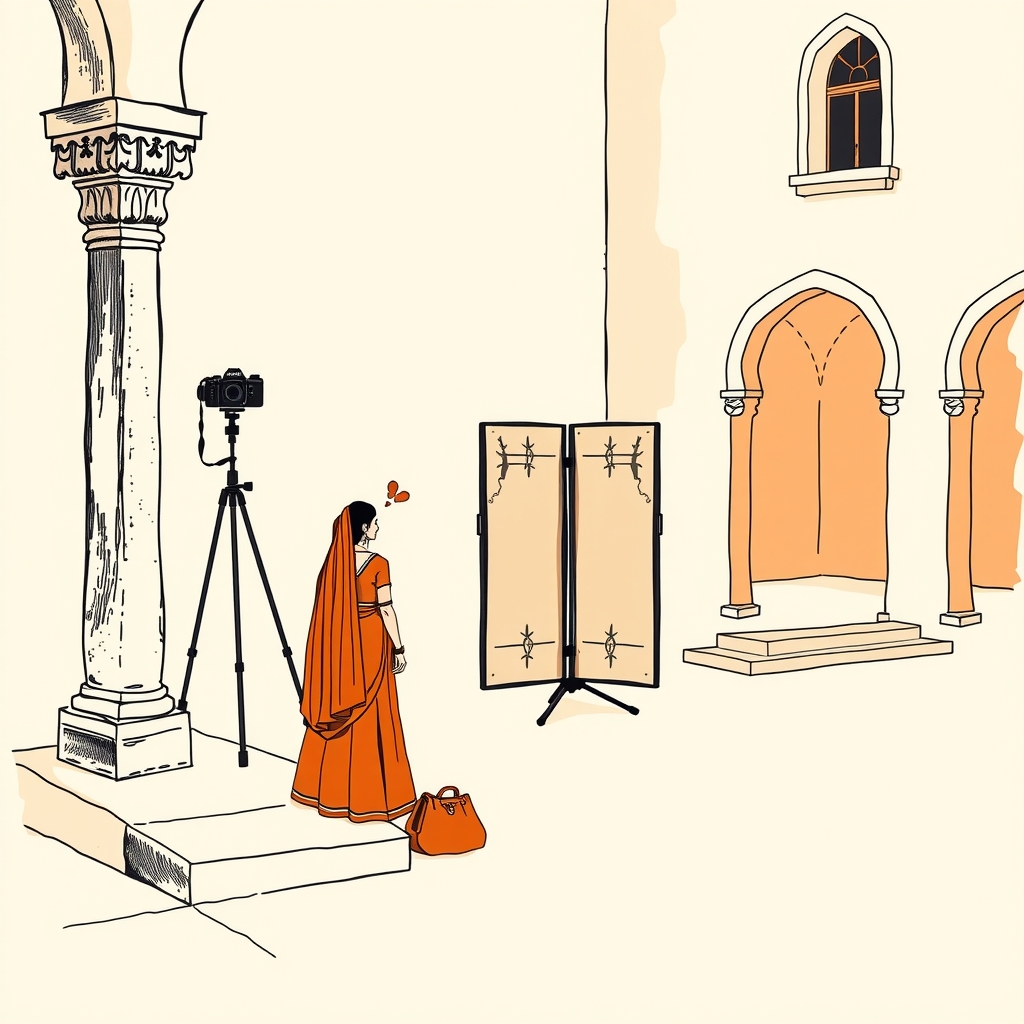
Navigating Access Constraints and Heritage Site Permits in Hyderabad
Historic courtyards, stone arches, and grand palace halls offer dramatic scale, but their architectural beauty comes with rigorous operational constraints. Producing successful wedding portraits across these historic properties demands early administrative coordination and disciplined movement.
Palace venues operate under strict visitor regulations and security protocols. As one vendor guide published by Wedding Videography notes, couples need to arrange bookings well in advance because historic palaces maintain restricted access and require formal permissions for photoshoots. Securing approval months ahead ensures your team secures an authorized entry slot before prime weekend dates fill up.
Transit Buffers and Arrival Planning
Logistical planning extends beyond the palace gates to the surrounding city. A guide from TK SOLANKI PHOTOGRAPHY points out that traffic density increases later in the day, and schedules must account for walking time between designated parking areas and the actual shoot location. Arriving late can compress your permitted shooting window or push your portrait session into difficult midday glare.
Consider an illustrative timeline where a venue grants a two-hour afternoon photography clearance ending at sunset. If you plan to start shooting at four in the afternoon, assuming thirty minutes for transit across the city center often proves insufficient during peak afternoon traffic. That buffer protects your window for softer natural light.
When evaluating historic properties, confirming logistical checkpoints early prevents expensive shoot delays:
- Permit approval dates and daily entry windows
- Distance from vehicle drop-off zones to interior courtyards
- Site guidelines regarding support stands, lighting gear, and crew size
- Dedicated changing and staging areas for wardrobe adjustments
Careful advance verification ensures your photography crew works smoothly within venue regulations while keeping the portrait session calm and focused.
Managing Lighting Challenges in Historic Courtyards and Palace Halls
Sunlight entering historic colonnades and deep verandahs creates intense contrast between stone masonry and open sky. Architectural features such as open arches create clean frames from several directions, as documented in venue notes by TK SOLANKI PHOTOGRAPHY. These structural openings allow balanced natural light to illuminate portraits while shielding subjects from direct midday glare. Angle of incidence matters.
For busy landmark locations, early morning timing constraints demand careful coordination. At cultural grounds like Shilparamam, documentation from TK SOLANKI PHOTOGRAPHY lists paid morning access that requires advance permission. Securing an opening morning slot provides directional, low-angle light across open courtyards before public visitors arrive and midday shadows harden against stone facades.
Aligning Permit Windows with Sun Transitions
Consider an illustrative schedule where a heritage venue grants an indoor and courtyard photography clearance between two and five in the afternoon. Direct overhead sun at two in the afternoon creates harsh contrast on exposed courtyards. Beginning the session inside high-ceilinged palace halls allows photographers to use large arched windows as giant natural softboxes while outdoor ambient light remains uncomfortably bright. Moving out into perimeter courtyards after four in the afternoon captures softer, golden illumination through stone pillars before the clearance window ends at five. This staged movement balances strict venue hours with changing exterior light.
Sources used in this section: Traditional / Classic Style Wedding Photographers in Hyderabad, India Near You ❤️ Wezoree.
Scheduling Heritage Venue Sessions Around Visitor Hours and Logistics
Coordinating a portrait session at a historic palace requires balancing formal site clearances against fleeting natural light. According to photography notes published by Wedding Videography, palace locations enforce restricted access and require advance booking permissions for photo shoots. Because these administrative authorizations specify rigid entry and exit hours, spontaneous schedule shifts during the shoot are rarely possible.
Documentary coverage thrives on unhurried observation, yet historic properties often admit the public or impose strict closing hours. If a couple arrives without planning around public visitor footfall, background clearings become difficult and crew movement slows down. Ensuring your wedding photography team moves efficiently within these parameters requires synchronizing arrival windows with architectural lighting shifts.
Designing the Shoot Schedule
To see how site regulations and sun angles intersect, consider an illustrative scenario at an authentic heritage estate. In this model, management grants a private photography permit from 3:30 PM to 6:00 PM, with security check-in opening at 3:00 PM.
| Time Window | Session Focus | Logistical & Light Considerations |
|---|---|---|
| 3:00 PM – 3:30 PM | Security verification and staging | Unload essential gear, clear camera permits with estate administration, and prepare wardrobe adjustments in designated green rooms. |
| 3:30 PM – 4:15 PM | Colonnades, shaded verandahs, and covered halls | Harsh mid-afternoon light still dominates open lawns, while covered archways offer soft, directional light shielded from the direct sun. |
| 4:15 PM – 5:15 PM | Central courtyards and grand architectural facades | The sun dips lower, softening shadows across stonework and courtyard fountains just as casual tourists begin vacating perimeter galleries. |
| 5:15 PM – 5:45 PM | Open terraces and panoramic vistas | Golden-hour lighting flatters portraiture across open vistas before dusk sets in. Minimal ambient fill keeps gear mobility fast. |
| 5:45 PM – 6:00 PM | Final frames and equipment pack-down | Security wrap-up begins promptly at the clearance perimeter, requiring crews to pack support gear before the permit expires. |
Dividing an allocated window into specific architectural zones protects the rhythm of the shoot. Handing off permit paperwork to a designated family member or coordinator lets the couple remain fully present while the crew navigates security checkpoints.
Evaluating Coverage Options and Planning Your Hyderabad Wedding Photography
Selecting the right creative team for a heritage wedding demands more than reviewing digital galleries. Because historic properties enforce strict security protocols and fragile indoor preservation rules, your photographers must operate with disciplined logistical awareness.
Verifying Venue Readiness and Portfolio Experience
When interviewing photography studios, evaluate how comfortably their lead shooters navigate historic architecture. A portfolio full of open-lawn receptions does not prove an ability to handle echoing marble corridors or low-light banqueting suites. Ask prospective teams to walk you through how they solve tight entry clearances, negotiate security handoffs, and position light without disrupting venue infrastructure.
According to an overview of Hyderabad locations compiled by TK SOLANKI PHOTOGRAPHY, prominent architectural sites such as Baradari structures feature open arches that create clean frames from several directions. Capturing these perspectives requires a crew that anticipates how ambient light moves through stone openings throughout the afternoon, rather than relying on heavy artificial rigs that venues may restrict.
Practical Timeline and Equipment Verification
To understand how venue policies shape portrait sessions, consider an illustrative scenario where a couple secures a three-hour afternoon permit at a historic estate. If security clearances take the opening thirty minutes, the couple has a tight window before outdoor light fades. In this hypothetical setup, an experienced crew spends the bright early afternoon in sheltered porticos and window-lit galleries before transitioning outside to courtyards just as the sun softens. Planning around these structural constraints ensures that the session never feels hurried.
Before confirming your creative team, compare key operational criteria across potential studios:
| Assessment Area | Verification Point | Operational Priority |
|---|---|---|
| Heritage Familiarity | Past coverage in stone corridors and grand halls | Confirm comfort with high-contrast ambient light and low-light interiors. |
| Permit Compliance | Experience working under formal estate guidelines | Ensure crew adheres to restricted zones, tripod limitations, and set end times. |
| Crew Footprint | Size of team and equipment load | Prevent oversized lighting gear that might be turned away at venue security gates. |
| Timeline Discipline | Buffer management between ceremonies and portrait blocks | Protect portrait windows against transit delays and wardrobe changes. |
Once you have shortlisted your locations and finalized your ceremony calendar, reach out early to secure your creative team. Heritage wedding dates in peak seasons book quickly across historic properties. You can explore tailored coverage options and book your wedding date to ensure every architectural detail and fleeting moment of your celebration is documented with care.